
No products in the cart.
News
Understanding the Color System: How Colors Connect and Classify
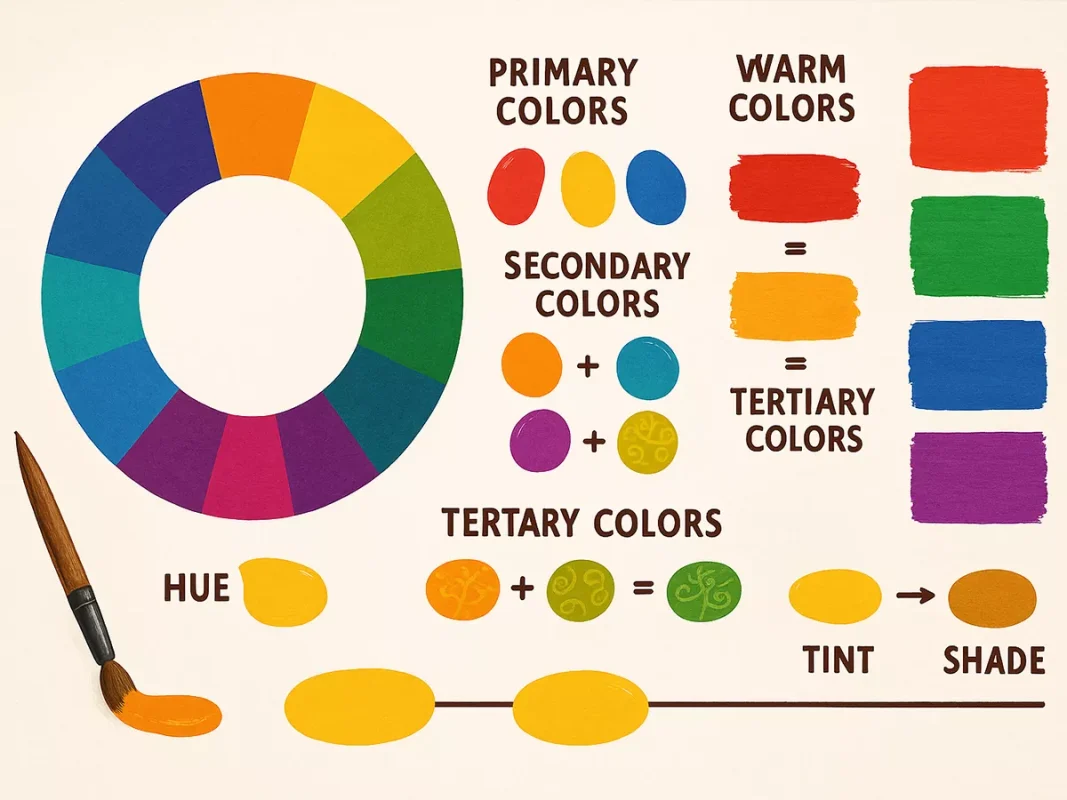
Colors are more than just pretty. They affect how people feel, help people make choices, and give art and design life. To really understand them, we need to look at Color System Basics, which explains how colors mix, connect, and act together.

Why Color System Basics Matter
Learning Color System isn’t just for professional artists. Anyone can use it to make better choices, like what wall colors to paint or how to put clothes away so they look good with each other. This is also why some colors make us feel calm and others make us notice something right away.
The Building Blocks of the Color Wheel
Inside Color System is the color wheel. Red, blue, and yellow are the first three colors. Because they are pure and no other colors can create them, therefore they form the building blocks of all colors you see.
Mixing Colors for Endless Possibilities
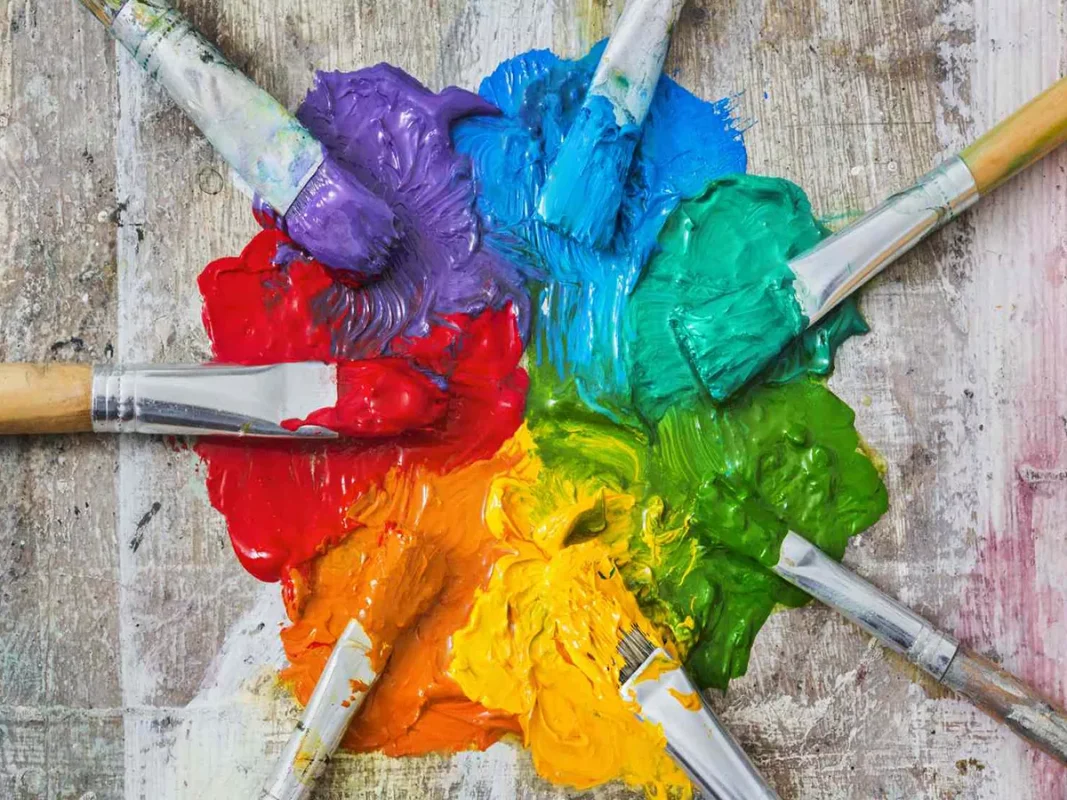
You can make orange, green, and purple by mixing two basic colors. For example, red and blue produce purple, while yellow and blue make green. As you continue you begin to realize how all the colors are related to these construction components.
Color Temperatures in the Color System Basics
Colors have “temperatures” that affect how we feel.
- Warm colors like red, yellow, and orange feel bold and energetic.
- Cool colors like blue, green, and purple bring peace and calmness.
- Neutral colors like beige, white, and gray provide balance.
Finding Harmony Through Color System Basics
You get contrast when you use warm and cool tones together. By slowing down bold choices, adding basic colors to designs makes them look better and more balanced.
Hues, Tints, Shades, and Tones in Color System
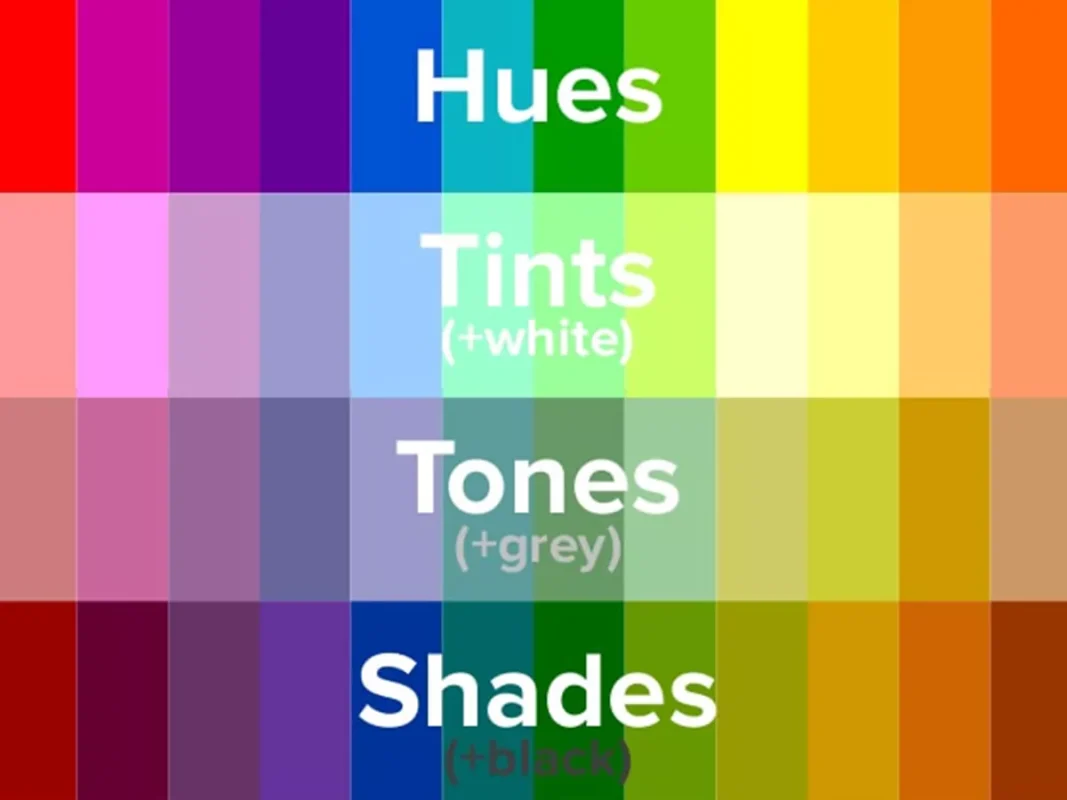
The basics of color system also explain how one color can change dramatically with small adjustments:
- Add white to get tints, giving a lighter, softer look.
- Add black for shades, creating depth and mystery.
- Add gray for tones, which give a more muted, balanced effect.
These techniques allow artists, designers, and hobbyists to create mood and style with ease.
How Colors Work Together
It matters where you are on the color wheel in Color System Basics. For example, orange and blue are two colors that look great next to each other because they are alike. Likewise, teal, blue, and green are all colors that look good next to each other.
Learning Colors System Basics Through Painting by Numbers
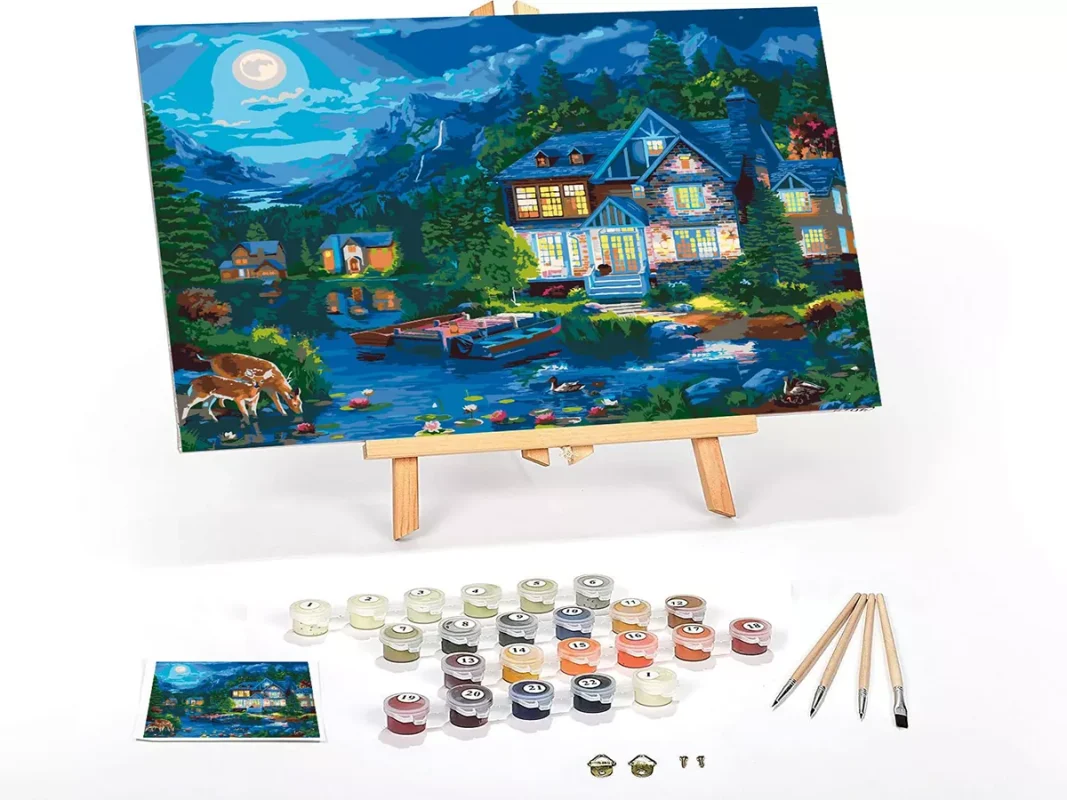
Color Basics can be learned easily in real life with painting by numbers kits. Every part of the picture in these kits is labeled with a color number. Along with making art, you can see how colors, shades, and tones that go well together work on a single surface as you fill them in. Color theory can be learned in a way that is relaxing and easy for color theory beginners. In addition, you’ll finish with a beautiful piece of art whether it’s a landscape, a seascape, or even a custom paint by numbers creation perfect for framing or gifting.
The Psychology Behind Color
Color psychology shows us how Color System Basics go beyond design. For instance, red often signals passion or urgency, while blue suggests trust and calmness. That’s why brands choose colors carefully they know how much they influence our feelings.
Bringing Color System Basics Into Daily Life
You don’t have to be an artist to utilize Color System Basics. Knowing how colors work together may help you make creative and sure decisions while decorating your house, making social media graphics, or selecting out clothes.
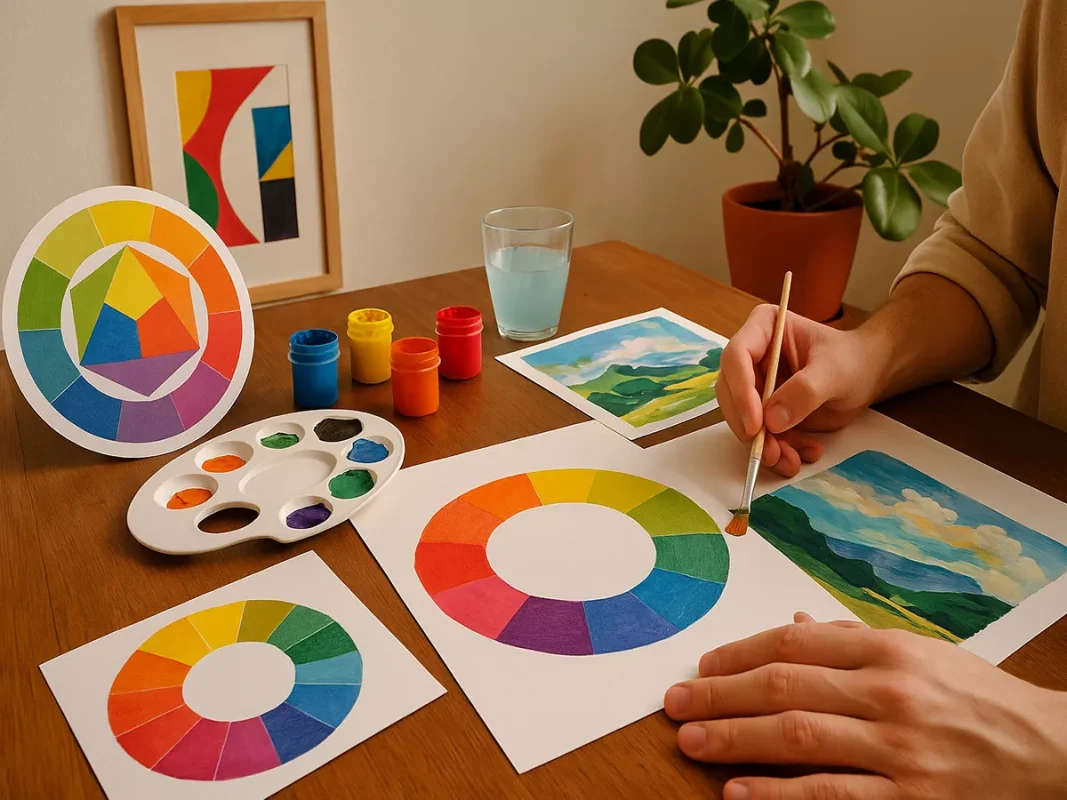
When you learn the basics of the Color System, colors stop being random and start to make sense. In addition, you’ll see how each color, shade, and tone works with the others to provide beauty, emotion, and harmony to your creations, no matter how large or little.
Discover Our New Arrivals
Explore the latest additions to our paint by numbers collection. Each kit is designed to provide a relaxing and rewarding painting experience, whether you're a beginner or an experienced artist looking for your next creative project.
Orange Classic Car Paint By Numbers
Bunny Trio Paint By Numbers
Vase Of Golden Blooms Paint By Numbers
Baby Elephant Dream Paint By Numbers