
No products in the cart.
News
Claude Monet the Poetic Soul of Impressionism

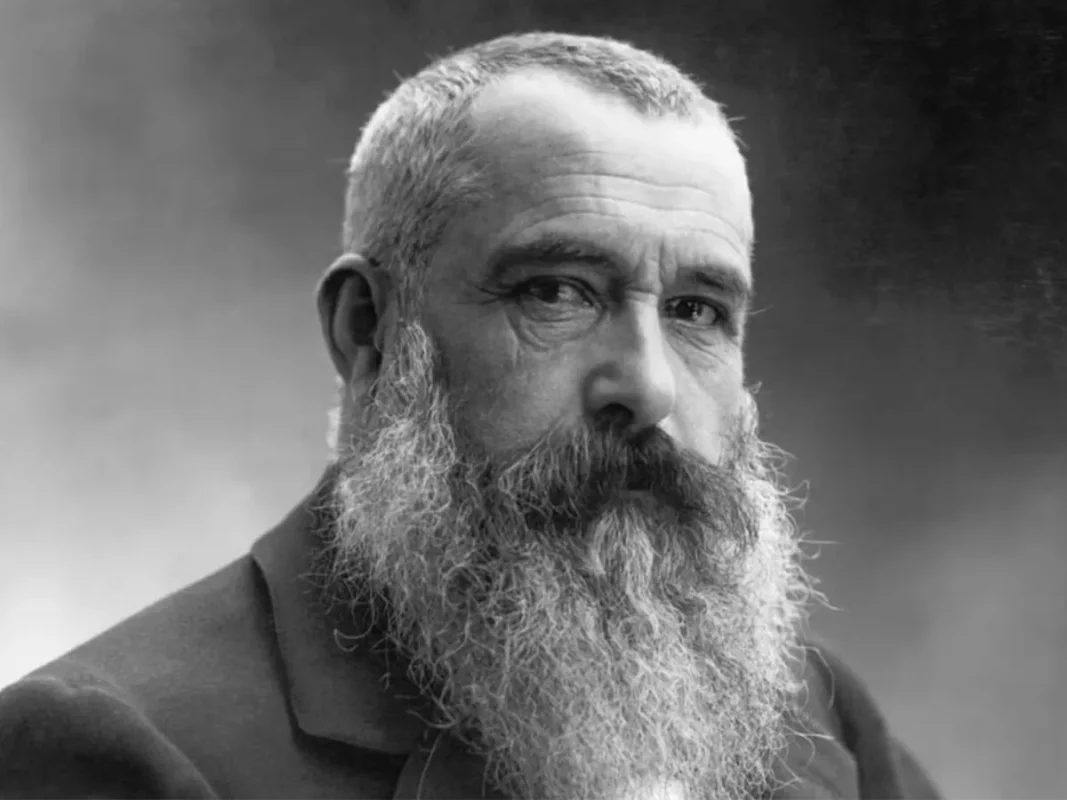
Claude Monet didn’t just paint what he saw; he painted what he thought. Impressionism, which was named after him, grew out of his distinct style. Claude Monet impressionism turned brief moments into timeless whispers of color and light that were full of movement and feeling. Monet liked things that weren’t flawless, whereas other painters tried to make everything seem ideal. He let the sun shine, the shadows move, and the sensations build in his picture. That daring choice impacted how people all across the world think about art. It proved that feelings may be just as potent as facts.
The Birth of the Claude Monet Impressionism Movement
In the late 1800s, Monet helped start the Impressionism style which was named after him. People who reviewed his works at first laughed at them and called them “unfinished sketches.” But those pretty, free works of art started a trend. So much so that his picture Impression, Sunrise gave the movement its name. Many people wanted to feel the moment instead of thinking about it because of the soft colors, fine brushstrokes, and bright light. What looked messy at first glance becomes beautiful when you look at it with your heart.
Painting the Light That Defined Claude Monet Impressionism
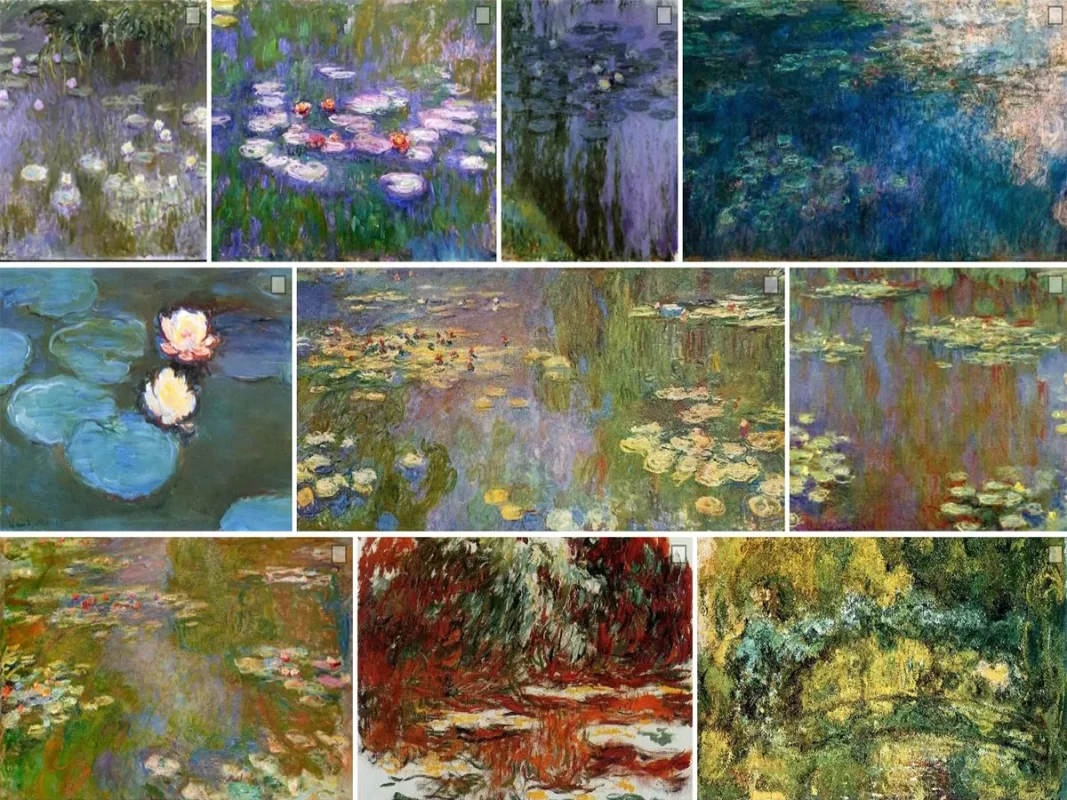
Monet was always interested in how the light changed. He painted the same haystack or church over and over again to show how they changed in the morning, evening, or fog. Each canvas was a letter of love to change. Later, his Garden at Giverny became his best muse. The Water Lilies series is full of reflections and soft ripples. It’s a calm world full of life, where shadow and shine dance together in an eternal conversation.
Changing the Rules of Art
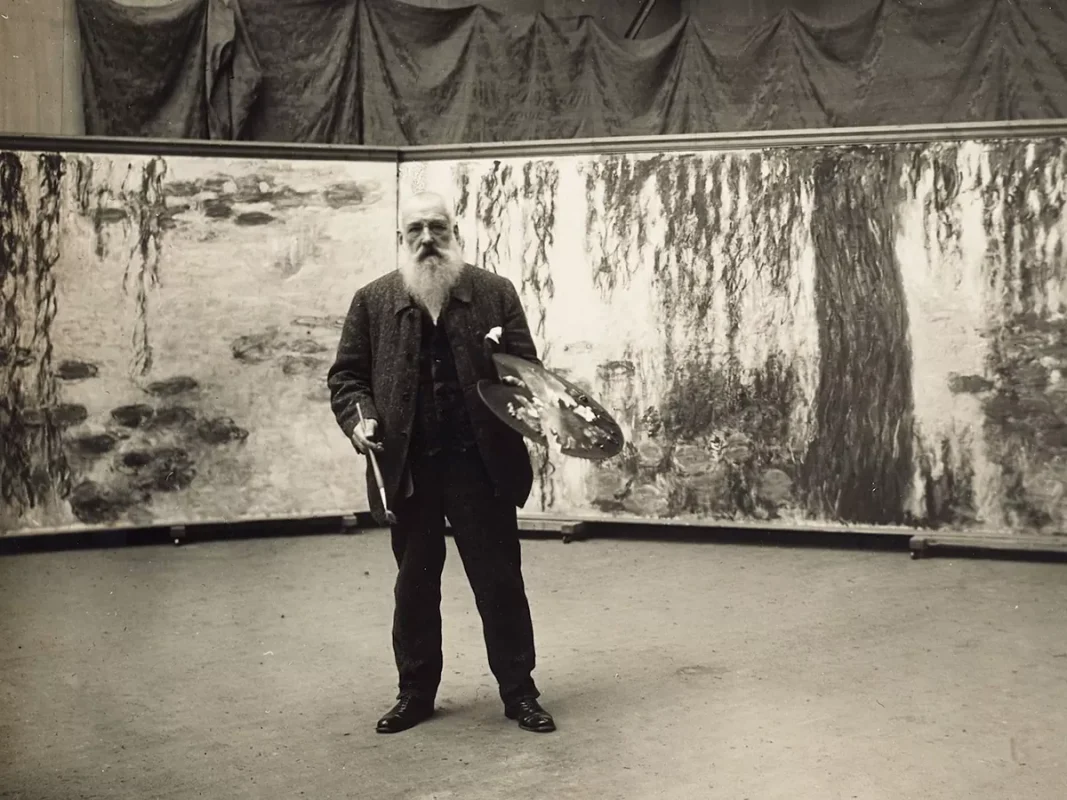
Before Monet, art was quite rigorous and stuck to reality. He threw away the rulebook and painted sentiments, showing that mood may be more important than precise precision. The brave attitude of Claude Monet Impressionism encouraged painters like Van Gogh, Cézanne, and Matisse and other Iconic Great Painter in History Who Shaped the World of Art to use bold colors, daring strokes, and genuine emotion. Monet let them and everyone else who came after be free.
A Personal Journey in Every Brushstroke
Even as his eyesight got worse, Monet kept painting through both happiness and sadness. He wasn’t merely a creator; he was a person who made things. His art became less about what he saw and more about what he felt as his vision got worse. These late, dreamy paintings are part of the legacy of Claude Monet Impressionism. They gently opened the door to contemporary art and showed how feelings may linger longer than grief.
Carrying Monet’s Spirit Forward
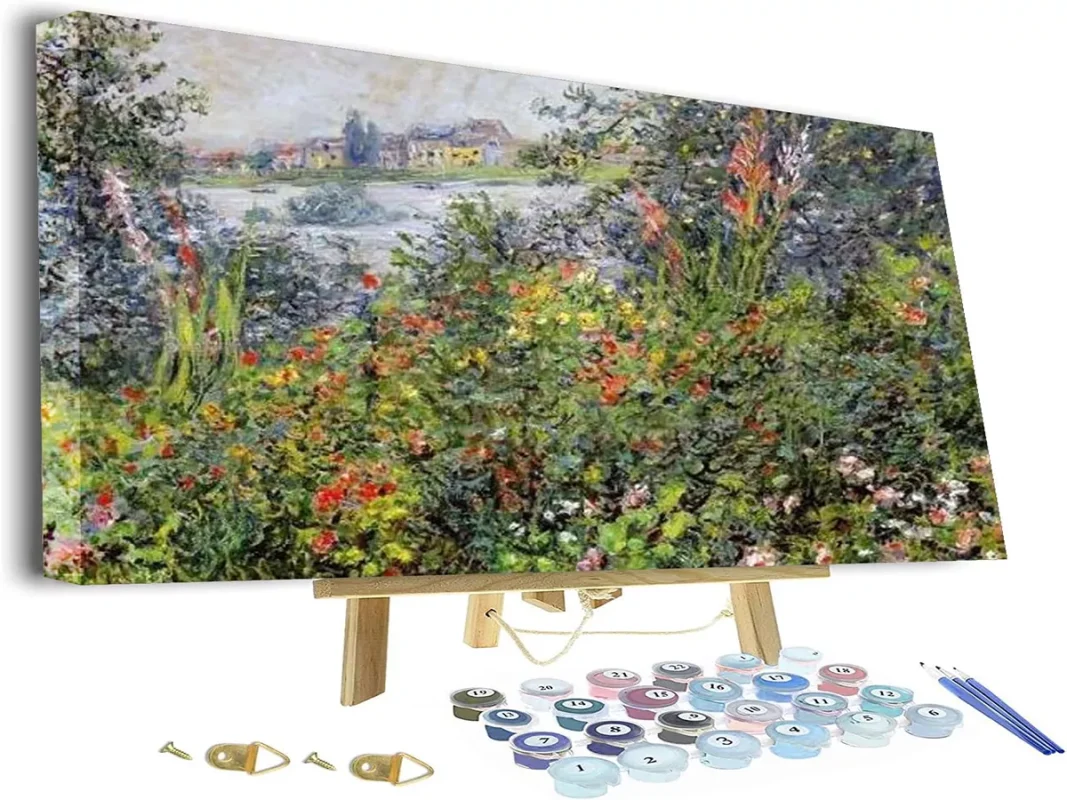
Monet’s narrative shows that art needs heart, not perfection. Painting by numbers is a fun way to start if brushing seems scary. Relaxed landscapes and Impressionist images inspire many, letting you experiment with color and light without worrying about “getting it wrong.” As you complete each form, you observe how colors merge, light alters, and even slight strokes may change a mood. It’s a gradual introduction to Monet’s world color by color. No pressure, just exploration. You may see what he felt: the peaceful satisfaction of converting fleeting moments into something beautiful as the image slowly comes to life under your hands. That spark of amazement might inspire your art and evoke Claude Monet Impressionism.
Claude Monet changed art not by following rules but by being amazed. In a flash, he showed everyone that beauty can last for a moment and that feeling can be just as strong as words. We can still stop, breathe, and really see the world around us in his work. Slow down. That’s what Claude Monet’s Impressionism is all about, whether you’re looking at his Water Lilies or your first painting. Take a good look. Color should make you feel something.
Discover Our New Arrivals
Explore the latest additions to our paint by numbers collection. Each kit is designed to provide a relaxing and rewarding painting experience, whether you're a beginner or an experienced artist looking for your next creative project.
Orange Classic Car Paint By Numbers
Bunny Trio Paint By Numbers
Vase Of Golden Blooms Paint By Numbers
Baby Elephant Dream Paint By Numbers